

Our School

Cultivating Tomorrow’s Leaders

“Without roots, a tree cannot grow; without history, a people cannot build.”.”
—Cheikh Anta Diop

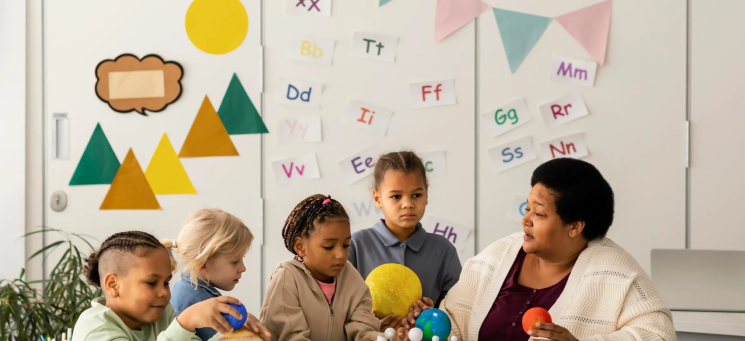
At Institut Sangalkam, learning starts with your child’s curiosity. In our Montessori Early Years classrooms, little hands master practical-life tasks and sensorial materials while fully immersed in Wolof, French, English and Arabic. Every activity lays a firm, culturally rooted foundation.
As students advance into middle school, that same spirit of discovery becomes inquiry-based projects and collaborative challenges. We weave Montessori principles—independence, respect and self-correction—into the  International  Baccalaureate  Middle  Years,  so  learners  grow  into critical thinkers and compassionate problem-solvers.

By the time they reach the IB Diploma, Sangalkam graduates are ready to shape  the  world.  They  conduct  in-depth  research,  lead  community initiatives and carry with them a deep respect for Senegalese heritage alongside global perspectives.

Why our 3–18 continuum?

Because great schools don’t stop at preschool or high school,they build one seamless journey.

  • Montessori foundations: Early Years learners master practical-life, sensorial and numeracy skills in a bright, culturally adapted environment.
  • Multilingual immersion: From day one your child explores Wolof, French, English and Arabic, so language becomes a bridge, not a barrier.
  • IB-ready graduates: By MYP and Diploma, we layer in inquiry-based learning, intercultural understanding and global perspectives—everything they need to thrive on the world stage.

Our Curriculum

We adopt Senegal’s national framework—and build on it at every stage with:
Montessori methodology in Early Years, to develop independence, concentration and a love of learning
IB MYP in Middle Years, to deepen inquiry, intercultural understanding and self- management
IB Diploma requirements in Secondary, to master research, analysis and academic rigor 
Application skills woven throughout (collaboration, critical thinking, self-reflection)
Co-curricular enrichment—arts, languages, sports and community service—so every child finds their passion

Our School

Introduction

At Institut Sangalkam, our Pre-K program nurtures the whole child through a warm, stimulating, and bilingual environment. Inspired by the Montessori method, our classrooms empower children to explore, ask questions, and build independence at their own pace. Every moment is an opportunity to learn — through movement, language, play, and nature.

Welcome Letter from Our Preschool Director

Lorem ipsum dolor sit amet consectetur. Non fermentum non neque eros ut. Viverra est et sed vel et. Malesuada feugiat nunc tristique vulputate faucibus tristique vel gravida. Posuere mi facilisis lacinia ac sit amet aliquet orci odio. Ridiculus eget mi volutpat nisl vestibulum at. Eget mattis rutrum pellentesque eu arcu urna leo sit imperdiet. Fermentum id cursus vitae justo venenatis. Magna aliquam magnis magna enim laoreet. Risus gravida mi ut turpis quis ornare volutpat nec. Enim tristique ipsum quis lectus tempor nulla senectus egestas. At nec mattis ornare pulvinar mi accumsan. Tristique urna blandit eget augue massa. Suspendisse auctor sem aenean ultrices amet semper quisque cursus. Aliquam rhoncus convallis pretium faucibus feugiat tortor. Eu consectetur tincidunt urna eget sit eget. Egestas phasellus turpis ac at. Ut arcu a scelerisque iaculis consectetur feugiat porta lacus sed. Mattis ultrices iaculis sit viverra aliquam semper. Dui at morbi lobortis tortor sem orci. Praesent sed urna libero faucibus sed. Lectus massa egestas senectus quis dolor orci dignissim. Nibh mattis bibendum turpis id. At arcu eu elit tortor ac nunc congue amet. Tristique ante sodales pretium condimentum dui aliquam convallis libero. Rhoncus nullam maecenas pellentesque lectus in gravida augue. Ipsum metus eu orci proin purus dolor nisl porttitor.

Pedagogical features

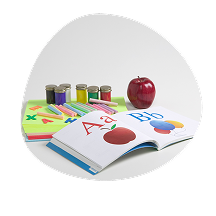
Children thrive within a pedagogy that respects their individuality and potential. Our program is designed around hands-on materials that support growth in practical life, sensorial exploration, mathematics, language, and culture—offering children purposeful work that nurtures both independence and joy in learning.
Rooted in Montessori principles, our approach also embraces the richness of our local culture. Songs, customs, and everyday materials reflect the children’s environment and heritage, allowing them to feel seen and valued.
Mixed-age groupings encourage collaboration and peer learning, while freedom of choice fosters confidence, curiosity, and responsibility. At the same time, we open a window to the wider world—introducing children to global perspectives and diverse cultures, helping them grow into compassionate and open-minded individuals.

Learning Through Play

Play is a powerful tool for development. Through activities that nurture observation, imagination, and self-correction, children explore real-world themes like seasons, community, and family. This approach supports the growth of fine motor skills, sensory awareness, and self-expression—all within an atmosphere of joy and discovery.
Multilingual Foundations

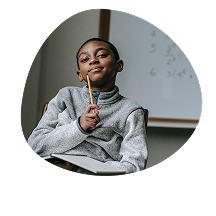
We embrace the power of language by immersing children in both French and English throughout the day. Songs, storytelling, and classroom routines build vocabulary in authentic, meaningful ways. Visual aids and tactile tools reinforce a rich linguistic environment that supports every child’s communication journey.
Social and Emotional Growth

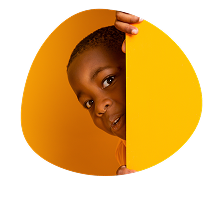
Respect, empathy, and collaboration are at the core of our community. Children learn to regulate their emotions and resolve conflicts through guided support and dedicated spaces like our peace corner. Strong, nurturing relationships with educators provide the foundation for secure and confident growth.
Assessment & Support

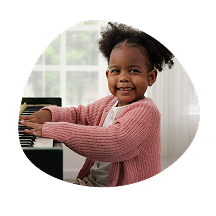
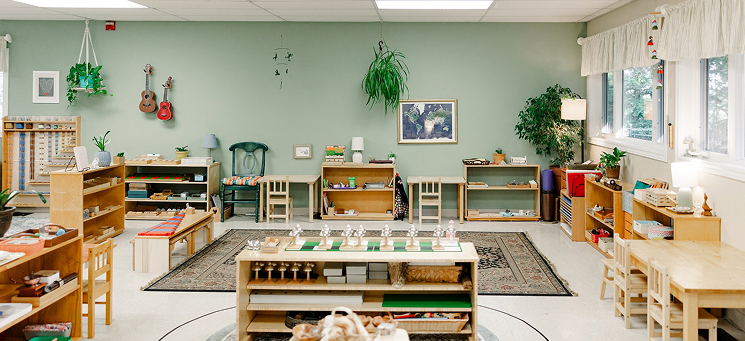
Our environment is the child’s third teacher—simple, beautiful, and intentionally designed to support independence, focus, and a sense of belonging.

We use natural materials like wood, glass, and cotton to offer real sensory experiences and foster care and responsibility. Classrooms remain calm and uncluttered, avoiding visual overstimulation so children can concentrate with ease

Every element is child-sized and purposeful, echoing the comfort and familiarity of home. Plants and living elements bring life into the space, teaching patience and responsibility through daily care

Both indoor and outdoor spaces are designed to support different aspects of development: quiet focus indoors, active exploration and connection with nature outdoors. Through beauty, order, and cultural relevance, our environments nurture the whole child—body, mind, and spirit.
Our daily Routine

Our daily routine is designed to follow the natural rhythm of the child, offering a balance of focused work, movement, nourishment, and rest.
The day begins with a warm welcome and a long, uninterrupted work period, during which children choose activities that support their development. A healthy morning snack is offered mid-morning, giving children the energy to stay engaged and focused. This is followed by outdoor play, where children explore, socialize, and build gross motor skills in a natural setting.
After lunch, younger children are gently guided into nap or rest time, supporting their need to recharge both physically and emotionally. For children who have outgrown naps, the afternoon includes quiet activities such as reading, art, or practical life work.
As the day continues, children in aftercare participate in enrichment activities like music, movement, or creative play, offering meaningful closure to their day.
This consistent yet flexible rhythm honors each child’s developmental stage, ensuring their well-being and joyful engagement from arrival to departure.

The Preschool Team

Dr Cheikh Kane

Pre-School Lead

Dr Cheikh Kane

Pre-School Lead

Dr Cheikh Kane

Pre-School Lead

Dr Cheikh Kane

Pre-School Lead

Dr Cheikh Kane

Pre-School Lead

Dr Cheikh Kane

Pre-School Lead

Our School

Introduction

Building Foundations for a Lifetime of Learning

Building Foundations for a Lifetime of Learning
The Elementary years are a time of curiosity, growth, and discovery. At Institut Sangalkam, we provide a learning environment that honors our Senegalese heritage while opening doors to the wider world through the International Baccalaureate Primary Years Programme (IB PYP). Students build a strong academic foundation, develop bilingual fluency, and cultivate the values, skills, and confidence they need to become active, responsible members of their communities. Guided by caring, IB-trained teachers, every child is encouraged to ask questions, explore ideas, and see themselves as capable learners — ready to shape a bright future.

Curriculum & Learning  Approach

Our Elementary program follows the International Baccalaureate Primary Years Programme (IB PYP), designed for students aged 6–12. This framework emphasizes inquiry-based learning and the development of the whole child as an inquirer, both in the classroom and in the world beyond.

Core Areas of Study

  • Bilingual Literacy: Reading, writing, oral communication in French and English
  • Mathematics: Logical reasoning, problem solving, operations, geometry, and data handling
  • Science: Inquiry into life, physical, and environmental sciences, with early exposure to experiments and observation
  • Humanities: History, geography, civics, and cultural studies
  • Arts & Music: Creative expression through visual arts, music, and performance
  • Physical Education: Motor skills, teamwork, and healthy lifestyle habits

Transdisciplinary Themes (IB PYP)

Learning is organized around six interconnected themes, which provide a global context for exploration and inquiry:


  1. Who we are
  2. Where we are in place and time
  3. How we express ourselves
  4. How the world works
  5. How we organize ourselves
  6. Sharing the planet

Learning Approach

Our Elementary program adopts the International Baccalaureate Primary Years Programme (IB PYP), using inquiry-based learning framed by six transdisciplinary themes: Who we are, Where we are in place and time, How we express ourselves, How the world works, How we organize ourselves, and Sharing the planet. This approach fosters curiosity, conceptual understanding, and international mindedness, while integrating core subjects through real-world contexts. School trips and hands-on projects enrich learning experiences, supporting students’ academic, social, emotional, and physical growth.

Bilingualism & Local Identity

We nurture fluent bilingual speakers who are rooted
in their culture and open to the world

At the Elementary level, students grow as confident communicators in French and English, developing fluency in both languages through immersive learning and daily practice. This bilingual foundation opens doors to global opportunities while strengthening cognitive flexibility and cultural awareness.
Equally important is our commitment to rooting students in their Senegalese heritage. Through stories, history, traditions, and local languages, learners gain a deep sense of belonging and pride in their community. This balance of international mindedness and local identity reflects the IB vision of developing young people who are both globally engaged and firmly connected to their cultural roots — ready to navigate the world while honoring where they come from.

Character Development & Social Learning

Building on their early experiences in the Montessori environment, students at Institut Sangalkam continue their growth through the International Baccalaureate Primary Years Programme (IB PYP) Learner Profile, developing as caring, principled, and open-minded individuals. The programme offers a natural continuity for the independence, curiosity, and collaborative skills fostered in Montessori, while adding greater opportunities for inquiry, reflection, and social responsibility. Daily collaboration, service as community action, and school-wide projects help them practice empathy, respect diversity, and take responsibility for making a positive impact — locally and globally.

Arts, Music and Enrichment

Creativity at Institut Sangalkam begins with the heart of our own culture and expands to embrace the world. Students explore visual arts through local crafts, Senegalese design patterns, and storytelling traditions that connect them to their heritage. Music instruction blends rhythm-based learning with opportunities to build traditional instruments such as the kora, learning both their craftsmanship and cultural significance.
Movement, yoga, and outdoor activities encourage physical expression and well-being, while clubs such as reading, gardening, chess, debate councils, and conflict resolution circles help students explore their interests and develop new skills. Guided by the International Baccalaureate Primary Years Programme emphasis on creative expression, these experiences begin with what is deeply local, nurturing pride in national traditions, and then broaden students’ perspectives through exposure to diverse global art forms and musical styles.

Assessment & Parent Engagement

At Institut Sangalkam, assessment is an ongoing process that supports each child’s growth. In the International Baccalaureate Primary Years Programme (IB PYP), learning is evaluated through projects, performances, portfolios, and daily classroom interactions, rather than relying solely on traditional tests. This approach allows teachers to see how students apply their knowledge, think critically, and work with others.
Parents are active partners in this process. Through student-led conferences, progress reports, and learning exhibitions, families see not only what their child has learned, but also how they are developing essential skills such as collaboration, problem-solving, and communication. Feedback is regular, clear, and designed to help every child reach their full potential.
Our goal is simple: to celebrate achievements, identify next steps, and ensure that parents, teachers, and students work together as a team to support lifelong learning.

Pathways Continuity

The Elementary years prepare students to succeed in
both the Senegalese and International Baccalaureate
(IB) paths offered in Middle and High School

At Institut Sangalkam, assessment is an ongoing process that supports each child’s growth. In the International Baccalaureate Primary Years Programme (IB PYP), learning is evaluated through projects, performances, portfolios, and daily classroom interactions, rather than relying solely on traditional tests. This approach allows teachers to see how students apply their knowledge, think critically, and work with others.
Parents are active partners in this process. Through student-led conferences, progress reports, and learning exhibitions, families see not only what their child has learned, but also how they are developing essential skills such as collaboration, problem-solving, and communication. Feedback is regular, clear, and designed to help every child reach their full potential.
Our goal is simple: to celebrate achievements, identify next steps, and ensure that parents, teachers, and students work together as a team to support lifelong learning.

Elementary School Team 

Dr Cheikh Kane

Pre-School Lead

Dr Cheikh Kane

Pre-School Lead

Dr Cheikh Kane

Pre-School Lead

Dr Cheikh Kane

Pre-School Lead

Dr Cheikh Kane

Pre-School Lead

Dr Cheikh Kane

Pre-School Lead

Our School

Introduction

Academic Excellence, Personal Growth, and Global Competence: A seamless International Baccalaureate 

From the first day of middle school through graduation, your child follows a clear pathway designed to build strong thinkers, compassionate leaders, and university-ready scholars. Learning is bilingual in French and English, inquiry-driven, and grounded in Senegalese civic values. Families can see, and students can feel, steady growth in curiosity, confidence, and capability year by yea

Educational Tracks (Grades 6-12)

From Grade 6 to graduation, your child follows a clear pathway that blends the best of the International Baccalaureate with the values, languages, and traditions of Senegal, learning is bilingual in French and English, rooted in inquiry and service, open to the world, and proudly marked by our Senegalese identity

Middle Years, Grades 6 to 10, students experience the International Baccalaureate Middle Years Programme across eight subject groups, Language Acquisition, Language and Literature, Individuals and Societies, Science, Mathematics, Arts, Physical and Health Education, and Design, courses are lively and hands on, projects, experiments, fieldwork, reading, writing, and oral presentation build habits of curiosity and responsibility, in the final year students complete a long term Personal Project with a supervisor, they choose a question that matters to them, plan their research, create a meaningful product, and reflect on impact, this capstone makes the transition to the last two years confident and smooth

Diploma Years, Grades 11 to 12, students enter the International Baccalaureate Diploma Programme, they design a balanced program of six subjects chosen from language and literature, language acquisition, individuals and societies, sciences, mathematics, and the arts, three subjects are studied in greater depth and three provide breadth, every learner completes the core, Theory of Knowledge, a guided exploration of how knowledge is developed and tested, the Extended Essay, an independently researched paper of up to 4,000 words with dedicated supervision, and Creativity, Activity, Service, sustained arts, athletics, and community engagement documented through reflection, assessment combines teacher marked coursework with externally moderated examinations in the second year, expectations mirror university study, and students receive steady coaching in time management, research, and academic writing.

Bilingual, Multicultural Learning

A Senegalese imprint with global reach, our curriculum honors local history, citizenship, and languages, case studies and service projects address real questions from our community in Sangalkam and the wider Dakar region, garden based learning connects science with stewardship and food culture, arts and athletics celebrate Senegalese creativity and teamwork, visiting speakers, global collaborations, and bilingual instruction keep the horizon wide, your child learns to be at ease in Senegal and ready for the world

College and Career Guidance

Guidance and choice at each step, families meet with counselors and team leaders to choose subjects that fit strengths and goals, students receive bilingual support when they are stretching into new language levels, bridges between the middle years and the diploma years are explicit, note taking, research methods, laboratory skills, and presentation routines are taught early and practiced often, the result is steady growth rather than last minute pressure
By designing our tracks this way, Institut Sangalkam offers a coherent journey, strong academics, character and leadership, pride in Senegal, and genuine international readiness, when parents ask what will happen as their child moves from Grade 6 to Grade 12, the answer is simple, your child will be known, challenged, supported, and prepared for university and for purposeful life beyond school

Leadership, Identity & Global Citizenship

We grow voice, responsibility and care for community every day, rooted in Senegalese values of teranga, respect for elders and service, open to the world through bilingual learning in French and English and partnerships beyond Dakar

Student councils and leadership workshops, students are elected from Grade 6, they plan assemblies, lead inclusion and wellbeing campaigns, learn public speaking, meeting facilitation and project planning with guidance from Middle and High School Team Leaders

Community service connected to real needs, projects are co-designed with partners in Sangalkam and the wider Dakar region, literacy support, health and nutrition awareness, coastal cleanups, school-garden food security, technology tutoring for elders, students research, act, measure impact and reflect

Interdisciplinary themes that matter, climate resilience, digital rights and wellbeing, equity and entrepreneurship, learners connect science, humanities, design and languages to solve problems, they prototype solutions and present to local mentors

Dialogue circles and ethical reasoning, classrooms use dialogue circles to build trust and listening, students identify stakeholders, weigh values and consequences, choose actions and evaluate outcomes, they learn to make decisions with courage, care and clarity

Arts, Sports and Enrichment

Creativity, voice and movement are part of everyday life, learning happens. Students create and perform with confidence, programs reflect Senegalese culture and welcome global perspectives, families see growth in skill, character and joy

Creative arts, students practice studio art, photography, theater and music composition, they study technique, critique work with peers, connect with Senegalese forms and stories, and build a portfolio that shows personal voice and steady progress

Performances and exhibitions, the school hosts annual talent shows and curated art exhibitions, students present class projects and independent pieces, families and community guests are invited, public presentation builds confidence and celebrates effort

Clubs and academic enrichment, debate club sharpens research and speaking, Model African Union develops diplomacy and consensus building, technology clubs explore coding and digital creativity, science fairs encourage experimentation and clear communication, students learn to prepare, present and reflect

Creativity, voice and movement are part of everyday life, learning happens. Students create and perform with confidence, programs reflect Senegalese culture and welcome global perspectives, families see growth in skill, character and joy

Sport and physical wellbeing, physical education is part of the curriculum for every student, movement, fitness and teamwork are taught with care, intramural team competitions run during the year, students try a range of activities, choose a focus that fits their interests, and are supported to set goals and stick with them, coaches emphasize inclusion, safety, fair play and respect

Why it matters, arts, clubs and sport help students discover strengths, manage challenge and lead with empathy, they learn discipline, collaboration and pride in Senegalese heritage, they also gain readiness to share their talents with the wider world

Assessment & Support

Continuous assessment and exam readiness, learning is checked every week through classwork, projects, labs and oral presentations, teachers give clear feedback and next steps, in the final two years students prepare intentionally for both the Senegalese Baccalauréat and the International Baccalaureate Diploma Programme, timed practice, past papers, exam strategies and academic writing workshops build confidence and calm.

Counseling and wellbeing, bilingual counselors support academic planning, study habits, organization and time management, they also offer confidential social-emotional care and partner with families, college and career advising helps students explore interests, choose subjects wisely and plan applications that fit their goals.

Digital portfolios and student-led conferences, students curate samples of work, reflections, feedback and goals in a secure digital portfolio in French and in English, twice a year they lead a conference with their advisor and family, presenting growth, challenges and next steps, this routine builds ownership, voice and clarity.

Peer mentoring and shared responsibility, older students mentor younger peers through study sessions, reading circles and lab support, mentors are trained and supervised by faculty, the result is a community where everyone learns to give and receive help, where leadership, respect and service are practiced every day.

Why it matters, arts, clubs and sport help students discover strengths, manage challenge and lead with empathy, they learn discipline, collaboration and pride in Senegalese heritage, they also gain readiness to share their talents with the wider world

Gardening & Nature Connection

Gardening fosters responsibility, patience, and environmental awareness. Children engage all their senses, observe natural cycles, and learn that they too can nurture life.

What it looks like at each level

  • What it looks like at each level
  • Preschool: Watering plants, planting seeds, harvesting herbs, smelling flowers
  • Elementary: Designing garden beds, learning about compost, keeping journals
    Middle School:
  • Managing the garden independently, experimenting with sustainability projects, preparing food from the harvest.
  • Gardening is woven into the daily rhythm and may also be offered as a club or weekend family activity.

Middle & High School Team Leaders

Dr Cheikh Kane

Pre-School Lead

Dr Cheikh Kane

Pre-School Lead

Dr Cheikh Kane

Pre-School Lead

Dr Cheikh Kane

Pre-School Lead

Dr Cheikh Kane

Pre-School Lead

Dr Cheikh Kane

Pre-School Lead

Our School

Overview

Learning Beyond the Classroom Foundations

At our school, learning doesn’t stop at the classroom door. We believe enrichment is essential to the development of the whole child intellectually, emotionally, physically, and socially. Our wide range of activities offers children the chance to explore new interests, deepen their passions, and build confidence in diverse and meaningful ways.

From gardening and sports to cultural celebrations, creative arts, and life skills workshops, each activity is designed to support curiosity, independence, and joy in learning, while staying aligned with our pedagogical vision.

Who Can Participate?

Many of our enrichment activities are integrated into the school day for enrolled students. In addition, we offer select programs such as weekend events, seasonal workshops, and camps, that are open to children and families from the broader community. These shared experiences help us build connections and welcome more children into an inspiring, inclusive learning environment.

Gardening & Nature Connection

Gardening fosters responsibility, patience, and environmental awareness. Children engage all their senses, observe natural cycles, and learn that they too can nurture life.

What it looks like at each level

  • What it looks like at each level
  • Preschool: Watering plants, planting seeds, harvesting herbs, smelling flowers
  • Elementary: Designing garden beds, learning about compost, keeping journals
    Middle School:
  • Managing the garden independently, experimenting with sustainability projects, preparing food from the harvest.
  • Gardening is woven into the daily rhythm and may also be offered as a club or weekend family activity.

Creative Expression: Art, Music & Theater

Art in our program is not just an activity—it’s a language of identity, heritage, and emotion. We introduce children to the foundational techniques of visual arts, music, and performance, while grounding their exploration in the rich artistic traditions of Senegal and Africa.

Preschool

 In Preschool, children are introduced to core techniques: line, texture, color mixing, rhythm, body movement, voice, and expression. They begin to explore visual storytelling, poetic language, and the basics of theatrical presence through imitation and guided creation.

Preschool

In Preschool, children are introduced to core techniques: line, texture, color mixing, rhythm, body movement, voice, and expression. They begin to explore visual storytelling, poetic language, and the basics of theatrical presence through imitation and guided creation.

Movement & Physical Development

At the Sangalkam Institute, movement is part of education—not separate from it. We believe that the development of the body and the development of the mind go hand in hand. Our program places physical activity at the heart of learning, supporting balance, discipline, confidence, and well-being. Children will move daily, not just in designated “PE” sessions, but as part of their entire experience—through purposeful movement in the classroom, collaborative games, and open-ended exploration.

To support this vision, our campus includes a soccer field, basketball court, running track, and large open spaces where children can explore a wide range of physical disciplines. These spaces are designed to host both structured training and free physical expression.

Beyond common sports, we will introduce children to traditional Senegalese forms of movement—such as wrestling (lutte), sabar dance, and rhythmic body play—as well as global sports and movement arts. From endurance running to choreography, from martial forms to group games, each activity is an opportunity to understand the body as a tool for expression, discipline, and connection.

Movement is not a break from learning—it is learning. And at Sangalkam, we move with intention, with joy, and with pride in our heritage.

Cultural & Language Exploration

We recognize culture and language as tools for identity, connection, and empowerment. Children are immersed in experiences that help them celebrate their heritage while discovering other ways of life.
Language learning is active and embedded in daily life. Through songs, storytelling, games, and projects, children engage with French, English, and local languages in ways that are joyful and meaningful. As they grow, they can join language clubs to deepen fluency through theater, cooking, conversation, and research projects.
Cultural understanding is built through community workshops, storytelling traditions, celebrations, and intergenerational exchanges. Children learn not only about their own background, but also about how to respectfully explore others.
These immersive experiences support social confidence, empathy, and curiosity, giving children the tools to navigate a multilingual and multicultural world.

Community & Weekend Events

Education thrives when it’s rooted in community. Throughout the year, activities and gatherings are organized to bring together families, friends, and neighbors in a spirit of connection and shared learning. These events are open to everyone, not just enrolled families, because we believe a school should be a place where all are welcome.

Weekend programs may include book readings led by parents, storytelling circles, skill-sharing workshops, and collaborative projects. Anyone with a passion or talent to share is encouraged to coordinate with our team. We grow stronger when we learn from each other.

Updates and invitations are shared regularly with families, creating many chances to connect, contribute, and participate. These moments remind us that learning doesn’t belong only to the child, or only to the classroom—it belongs to the whole community.
Here, we don’t just educate children. We nurture a living, learning family.
world.

Our School

Accessible, Equitable, Transparent

  • At Institut Sangalkam, we are committed to making high-quality bilingual education accessible to all. That’s why our admission process is designed to be clear, inclusive, and equitable.
  • Our goal is for two-thirds of our students receive financial aid based on real need-not just academic achievement
Step  1: Submit an Interest Form
  • Families complete a short form (online, or on-paper onsite)
  • You receive and information pack and invitation to attend an orientation session
Step 2 Orientation and Family Interview
  • Families attend a School tour
  • Conversation to start learning about the child
  • For Pre-K& Primary: observation based child activity session
  • For Middle & High School: academic document review and student interview
Step 3: Application Submission: Required Documents
  • Child birth certificate
  • Past School records (if applicable)
  • Vaccination Card (Pre-K)
  • Information required for financial aid (if applicable)
Step 4: Financial Aid Request:
  • Families Complete a financial aid request form
  • Aid is awarded based: Senegal poverty indicators, household income, family size and dependents, and living conditions
Step 5: Notification & Enrollment
  • Families are informed of admission and aid status within 3 to 4 weeks
  • Enrollment confirmed with a symbolic registration fee (with waivers for high-need families)

Basic Principle: Equitable Access

  • We believe that quality education should not be out of reach. Our tuition model is flexible and deeply committed to equity
  • Families complete a short form (online, or on-paper onsite)
  • You receive and information pack and invitation to attend an orientation session

Annual Tuition (Before Aid); CFA

  • Pre-K:  [350.000-600.00]
    Primary (Grade 1 Grade 5): [400.00-700.000] 
  • Middle School (Grade 6 to Grade 9): [500.00—80000]
  • High School (Grade 10 to Grade 12):  [600.000—950.000]
  • These tuition only apply to the minority of families not eligible for financial aid.  For this group we want to avoid cannibalizing private schools in the region.

Step 3: Application Submission: Required Documents

  • Child birth certificate
  • Past School records (if applicable)
  • Vaccination Card (Pre-K)
  • Information required for financial aid (if applicable)

Financial Aid

  • Up to 100% tuition reduction available
  • Based on clear data-driven eligibility (nor favoritism)
  • Aid reviewed annually with transparency
  • Covers tuition, uniforms, meals, and transportation

Payment Options:

  • Annual, term-based, or monthly plans
  • Discounts for siblings
  • Dedicated support for families navigating financial challenges

Dr Cheikh Kane

Pre-School Lead

Dr Cheikh Kane

Pre-School Lead

Dr Cheikh Kane

Pre-School Lead

Dr Cheikh Kane

Pre-School Lead

Dr Cheikh Kane

Pre-School Lead

Dr Cheikh Kane

Pre-School Lead

Our School

Enrollment & Onboarding

Uniform Guidelines & Order Form

Guide to Daily Updates & Progress App

Guide to Billing

Admission & Tuition FAQ

School Year Calendar (2026–2027)

How to Enroll: Step-by-Step Overview

Health & Wellness

Medical Emergency Contact Form

Asthma Action Plan

Allergy & Anaphylaxis Care Plan

Seizure Emergency Plan

Topical Cream Permission Form

Medication Administration Form

Immunization Guidelines (Senegal Ministry of Health)

School Health Policies & Sick Day Procedures

School Policies & Documentation

Parent Handbook Emergency Procedures & Drill Calendar

Child Protection & Safeguarding Protocol

Anti-Bullying and Inclusion Policy

Nutrition & Food Guidelines

Weekly School Menu

Approved Snack & Lunch List

Cultural Food Days Info Sheet

Food Restriction Notification Form

Activities & Enrichment Registration

Club & Enrichment Calendar 

Enroll in Aftercare Activities & Clubs

Weekend Workshops / Events Signup Form

Program-Level Resources

Getting Started in the Toddler Community: Preparing Your Child

Getting Started in the Toddler Community: Preparing Yourself

Getting Started in the Children’s House: Preparing Your Child

Getting Started in the Children’s House: Preparing Yourself

Elementary Family Guide: Structure, Expectations, Materials

Middle School Orientation Packet

Communication & Family Involvement

Family Skill-Sharing Program Info Sheet

Newsletter Archive (PDF Download)

Feedback Form for Parents

How to Participate in Weekend Events

Request to Host a Workshop or Activity

Scroll to Top
TitleDescription
General
Pedagogy
[3 Credits]
▪ The course will provide students with a comprehensive understanding of teaching and learning theories, instructional strategies, and classroom management. The goal is to give future teachers the foundational knowledge and practical skills needed to create effective learning environments and adapt their teaching methods to diverse learners.
▪ The course will be particularly useful for new teachers with an advanced degree in a given subject, but without teaching experience.
▪ The main course objectives are:
▪ Understand the key theories and principles of teaching and learning.
▪ Develop and apply a range of instructional strategies.
▪ Create lesson plans that cater to diverse learning needs.
▪ Manage classroom dynamics effectively.
▪ Evaluate and reflect on their teaching practices.
Topics ▪ Module 1: Foundations of Pedagogy and Learning Theories
▪ Module 2: Lesson Planning and Curriculum Design
▪ Module 3: Teaching Methods and Instructional Strategies
▪ Module 4: Classroom Management and Student Engagement
▪ Module 5: Assessment and Feedback
▪ Module 6: Reflective Practice and Professional Development
Further
Reading
▪ Bruner, J. (1996). The Culture of Education.
▪ Marzano, R. J. (2007). The Art and Science of Teaching.
▪ Wiggins, G., & McTighe, J. (2005). Understanding by Design.
▪ Tomlinson, C. A. (2001). How to Differentiate Instruction in Mixed-Ability Classrooms.
▪ Wong, H., & Wong, R. (2009). The First Days of School: How to Be an Effective Teacher.
▪ Brookfield, S. (2017). Becoming a Critically Reflective Teacher.
▪ Thierno Souleymane Diop, Tu Seras Enseignant, Mon Fils, Presses Universitaires de Dakar, (2015)
TitleDescription
AI Education
Applications

[3 Credits]
▪ The course will focus on combining a technical understanding with the practical applications in teaching and learning contexts.
▪ The main goal is to empower teacher trainees to understand AI, critically evaluate AI tools, and integrate AI effectively to enhance teaching and learning experiences.
▪ Course Objectives: explain key AI concepts and how AI functions; critically assess AI tools for education; implement AI-driven teaching and learning strategies; reflect on the ethical and social implications of AI in education; develop AI-enhanced lesson plans and learning activities.
Topics▪ Module 1: Introduction to AI and Machine Learning: what is AI, how does it work, applications
▪ Module 2: AI in Education, Opportunities and Challenges (Personalized Learning, Intelligent Tutoring, Bias/Fairness in AI)
▪ Module 3: Personalized Learning and Adaptive Learning Systems (Teacher Role in Personalization)
▪ Module 4: AI for Assessment and Feedback (AI for Formative and Summative Assessment, Limitations of AI assessment)
▪ Module 5: AI for Student Engagement and Classroom Management (Education Tools, AI for Multimodal Learning)
▪ Module 6: Ethical and Social Implications of AI in Education (AI and Equity, Data Privacy, Human vs Machine Intelligence)
Further
Reading
▪ Russell, S., & Norvig, P. (2020). Artificial Intelligence: A Modern Approach (4th ed.).
▪ Luckin, R. (2018). Machine Learning and Human Intelligence: The Future of Education for the 21st Century.
▪ Holmes, W., Bialik, M., & Fadel, C. (2019). Artificial Intelligence in Education: Promises and Implications for Teaching and Learning.
▪ Selwyn, N. (2019). Should Robots Replace Teachers? AI and the Future of Education.
▪ Luckin, R. (2010). Redesigning Learning Contexts: Technology-Rich, Learner-Centred Ecologies.
▪ Kay, J., & Kummerfeld, B. (2019). "Creating Personalized Learning with AI." IEEE Transactions on Learning Technologies.
▪ Heffernan, N. (2017). "AI and the Future of Testing." Journal of Learning Analytics.
▪ McGraw, B. (2018). AI in Assessment: New Horizons in Educational Measurement.
▪ Chen, B., et al. (2020). "AI for Enhancing Student Engagement." Educational Technology Research and Development.
▪ Rose, C. P. (2018). "Conversational Agents in Education." Learning Sciences Journal.
▪ Selwyn, N. (2021). Education and Artificial Intelligence: Critical Perspectives.
▪ Eubanks, V. (2018). Automating Inequality: How High-Tech Tools Profile, Police, and Punish the Poor.
TitleDescription
Sociology and
Education
[3 Credits]
▪ This course will cover sociological theories with practical teaching strategies to help future educators understand the role of education in society and the ways in which education can both reflect and challenge social structures.
▪ By the end of the course, teacher trainees will be able to:
▪ Understand key sociological theories and concepts relevant to education.
▪ Analyze the relationship between education and social structures (e.g., class, race, gender).
▪ Examine the impact of education on social mobility and inequality.
▪ Critically assess the role of schools in socialization.
▪ Apply sociological concepts to classroom dynamics and education policy.
Topics▪ Module 1: Introduction to Sociology and Education
▪ Module 2: Education and Socialization
▪ Module 3: Theories of Education
▪ Module 4: Social Stratification and Education
▪ Module 5: Education Policy and Reform
▪ Module 6: Teachers as Agents of Social Change
Further
Reading
▪ Sociology of Education: A Critical Reader – by Alan R. Sadovnik
▪ Education and Sociology – by Emile Durkheim
▪ Pedagogy of the Oppressed – by Paulo Freire
▪ Cultural Capital: The Problem of Educational Inequality – by Pierre Bourdieu
▪ Inequality and Education – by Richard Arum
▪ Les Jeunes de la Rue a Dakar, Safietou Diack, Karthala (2022)
▪ Jeunesse, Exclusion et Violence a Dakar, Oumar Cisse and Djibril Diop, Karthala (2021)
▪ Moi Aussi, Ma Place est a l’Ecole, Cheikh Tidiane Bousso, l’Harmattan (2024)
▪ Les Enfants exclus ou en marge du systeme scolaire Classique au Senegal, H Dia; AS Diop, Melanie Jacquemim (2019)
TitleDescription
Financial and
Administrative
management of
Schools
[3 Credits]
▪ The course would cover budgeting, resource allocation, school leadership, policy implementation, and accountability—ensuring that teacher trainees develop a comprehensive understanding of the financial and operational aspects of running a school effectively.
▪ By the end of the course, teacher trainees will be able to:
▪ Understand the financial structure of schools and sources of funding.
▪ Develop and manage a school budget effectively.
▪ Understand and apply financial policies and regulations in education.
▪ Manage school resources, staffing, and infrastructure efficiently.
▪ Analyze the role of school leadership in effective administrative management.
Topics▪ Module 1: Introduction to Financial and Administrative Management in Schools: private vs public school management
▪ Module 2: School Funding and Budgeting: financial forecasting and contingency planning
▪ Module 3: Financial Accountability and Transparency: Financial Control & Reporting; Compliance
▪ Module 4: Human Resource and Staff Management: Recruitment-Retention; Performance-Evaluation; Salary-Benefits
▪ Module 5: Facilities and Resource Management: School Infrastructure, Procurement-Inventory, Technology
▪ Module 6: Strategic Planning and Policy Implementation: risk management and crisis planning
Further
Reading
▪ Bush, T. (2011). Theories of Educational Leadership and Management.
▪ Brighouse, T., & Woods, D. (2013). The A-Z of School Improvement: Principles and Practice
▪ Odden, A., & Picus, L. (2014). School Finance: A Policy Perspective
▪ Levačić, R. (2011). Managing Financial Resources in Schools.
▪ Rebore, R. W. (2014). Human Resources Administration in Education: A Management Approach.
▪ Mulford, B. (2016). School Leadership and Resource Allocation
TitleDescription
Human Resource
Management in
Schools
[3 Credits]
▪ Designing a course on Human Resource Management (HRM) in Schools for teacher trainees will help future educational leaders develop the skills to effectively manage staff, build a positive work culture, and address HR-related challenges in schools.
▪ By the end of the course, trainees are expected to:
▪ Understand the principles of HRM in educational settings.
▪ Develop strategies for staff recruitment, retention, and professional development.
▪ Apply conflict resolution and performance management techniques.
▪ Build a positive and inclusive school work culture.
▪ Navigate labor laws and ethical considerations in education.
Topics▪ Module 1: Introduction to HRM in Schools
▪ Module 2: Recruitment and Hiring Practices
▪ Module 3: Staff Retention and Motivation
▪ Module 4: Professional Development and Training
▪ Module 5: Performance Management and Evaluation
▪ Module 6: Conflict Resolution and Staff Relations
▪ Module 7: Labor Laws and Ethical Issues
▪ Module 8: Technology and Data Management
Further
Reading
▪ Human Resource Management in Education – by Justine Mercer, Bernard Barker, Richard Bird
▪ Educational Administration: Theory, Research, and Practice – by Wayne Hoy and Cecil Miskel
▪ Improving Teacher Quality through Professional Development – by Linda Darling-Hammond
▪ The Principal as Human Resources Leader – by M. Scott Norton
▪ La gestion des ressources humaines pour la réussite scolaire, 2ᵉ édition
▪ Human Resource Management in the Education Sector, UNESCO (2022)
TitleDescription
Leadership in
Education
[3 Credits]
▪ This course provides a blend of theory, practical skills, and reflective practice.
▪ The main goal is to empower future educators to understand leadership styles, develop decision-making and conflict resolution skills, and build a vision for improving educational outcomes.
▪ By the end of the course, trainees are expected to:
▪ Understand key theories and models of educational leadership.
▪ Analyze different leadership styles and their impact on school culture and student outcomes.
▪ Develop strategic decision-making and problem-solving skills.
▪ Foster effective communication and team-building in an educational setting.
▪ Identify and resolve ethical dilemmas in teaching practice.
▪ Design and implement a leadership project within an educational context.
Topics▪ Module 1: Foundations of Education Leadership
▪ Module 2: Leadership Styles and Personal Reflection
▪ Module 3: Vision and Strategic Planning
▪ Module 4: Decision Making and Problem Solving
▪ Module 5: Communication and Team Building
▪ Module 6: Instructional Leadership
▪ Module 7: Change Management and Conflict Resolution
▪ Module 8: Building a Positive School Culture
Further
Reading
▪ The Principal: Three Keys to Maximizing Impact – by Michael Fullan
▪ Instructional Leadership for School Improvement – by Sally J. Zepeda
▪ The Leadership Challenge – by James M. Kouzes and Barry Z. Posner
▪ Leading in a Culture of Change – by Michael Fullan
▪ "Le leadership en éducation" – McGraw-Hill
▪ "Le leadership éducatif : Entre défi et fiction" – Yves Dutercq, Monica Gather Thurler, Guy Pelletier
▪ "La gestion du changement à l'école" – Christine Brabant, Jean Bernatchez, Christiane Caneva, Claude St-Cyr
TtitleDescription
Legislation &
Deontology in
Education
[3 Credits]
▪ The course will provide students with a solid understanding of the legal framework governing education and the ethical principles that guide professional conduct. This course would help future teachers navigate complex legal situations, uphold professional standards, and make ethical decisions in their teaching practice.
▪ The course would be useful for new teachers, but also experienced teachers who may not be familiar with the existing legal framework.
▪ The main course objectives are:
▪ Understand the legal framework governing the education system.
▪ Interpret and apply education laws and policies in classroom settings.
▪ Identify and resolve ethical dilemmas in teaching practice.
▪ Uphold professional standards and codes of conduct.
▪ Understand the rights and responsibilities of teachers, students, and parents.
Topics▪ Module 1: Introduction to Education Law and Ethics (Intersection of Law and Ethics in Education)
▪ Module 2: Legal Framework of the Education System
▪ Module 3: Teacher Rights and Responsibilities
▪ Module 4: Student Rights and Responsibilities
▪ Module 5: Ethical Principles and Professional Conduct
▪ Module 6: School Governance and Accountability
Further
Reading
▪ “L’Éducation en Afrique de l’Ouest: Histoire, Défis et Perspectives” – by Boubacar Barry
▪ Loi d’Orientation de l’Éducation Nationale (1991)
▪ “Éthique et Déontologie Professionnelle des Enseignants” – by Jacques Lévine
▪ “Professional Ethics in Education” – by Kenneth A. Strike & Jonas F. Soltis
▪ “Teaching with Integrity: The Ethics of Higher Education Practice” – by Bruce Macfarlane
TitleDescription
Montessori:
Language &
Mathematics
[3 Credits]
▪ The course should aim to equip teacher trainees with both theoretical knowledge and practical skills. Example objectives include:
▪ Understand the Montessori philosophy of language and mathematics education
▪ Master the use of Montessori materials for teaching language and math
▪ Develop strategies to foster language acquisition and mathematical thinking
▪ Create a Montessori-prepared environment for language and math learning
▪ Adapt materials and techniques to meet the individual needs of learners
Topics▪ Module 1: Foundations of Language in Montessori
▪ Module 2: Oral Language Development
▪ Module 3: Written Language (Pre-Writing and Writing)
▪ Module 4: Reading and Grammar
▪ Module 5: Foundations of Montessori Mathematics
▪ Module 6: Numeration and Counting
▪ Module 7: The Decimal System and Place Value
▪ Module 8: Linear Counting and Skip Counting
▪ Module 9: Fractions and Advanced Concepts
Further
Reading
▪ Montessori, M. (1912). The Montessori Method.
▪ Montessori, M. (1949). The Absorbent Mind.
▪ Montessori, M. (1948). From Childhood to Adolescence.
▪ Montessori, M. (1949). The Absorbent Mind.
▪ Montessori: A Modern Approach – by Paula Polk Lillard
▪ Montessori Read and Write: A Parent's Guide to Literacy – by Lynne Lawrence
▪ Montessori Language Arts – by Muriel Dwyer
▪ Math Works: Montessori Math and the Developing Brain – by Michael Duffy
TitleDescription
Montessori:
Practical Life &
Sensorial
[3 Credits]
▪ The course should aim to equip teacher trainees with both theoretical knowledge and practical skills. Example objectives include:
▪ Understanding the philosophy behind the Montessori approach
▪ Mastering the use of Montessori Practical Life and Sensorial materials
▪ Learning how to prepare and organize a Montessori classroom environment
▪ Developing observation and guidance skills to support student learning
▪ Applying Montessori principles to foster independence and sensory exploration
Topics▪ Module 1: Introduction to Montessori Education: Respect of Child, Freedom with Limits
▪ Module 2: Practical Life (Care of Self, Environment, Social Behavior, Fine Motor Skills)
▪ Module 3: Sensorial Education (Refinement of Senses)
▪ Module 4: Preparing the Montessori Classroom
▪ Module 5: Observation and Child Development
▪ Module 6: Adapting Montessori for Different Needs
Further
Reading
▪ Montessori, M. (1912). The Montessori Method.
▪ Montessori, M. (1949). The Absorbent Mind.
▪ Montessori, M. (1948). From Childhood to Adolescence.
▪ Montessori, M. (1949). The Absorbent Mind.
▪ Montessori: A Modern Approach – by Paula Polk Lillard
▪ Gutek, G. (2004). The Montessori Method: The Origins of an Educational Innovation.
▪ Lillard, A. S. (2005). Montessori: The Science Behind the Genius.
▪ Chattin-McNichols, J. (1992). The Montessori Controversy.
▪ Lillard, P. P. (1996). Montessori Today: A Comprehensive Approach to Education from Birth to Adulthood.
▪ Teaching Montessori in the Home – by Elizabeth G. Hainstock
TitleDescription
Intro to
Montessori
Education
[3 Credits]
▪ The course involves blending theoretical foundations, Montessori philosophy, and practical classroom techniques.
▪ The course will give trainees a solid understanding of Montessori principles, child development theories behind it, and hands-on experience with Montessori materials and methods.
▪ It will be critical after the class for trainees to have a good understanding of the role of a teacher in a Montessori setting.
Topics▪ Module 1: Foundations of Montessori Education: History & Background, Montessori Philosophy
▪ Module 2: The Montessori Classroom Environment: Prepared Environment, Teacher Role
▪ Module 3: Montessori Materials and Methods: Practical Life, Sensorial Materials, Language & Mathematics
▪ Module 4: Montessori and Child Development: Development Stages, Sensitive Periods
▪ Module 5: Montessori Curriculum in Action: Daily Routines, Curriculum Areas
▪ Module 6: Assessment and Observations: Observation Techniques, Child-Led Learning & Assessment
Further
Reading
▪ Montessori, M. (1912). The Montessori Method.
▪ Gutek, G. (2004). The Montessori Method: The Origins of an Educational Innovation.
▪ Montessori, M. (1949). The Absorbent Mind.
▪ Lillard, P. P. (1972). Montessori: A Modern Approach.
▪ Hainstock, E. (1997). The Essential Montessori.
▪ Lillard, A. S. (2005). Montessori: The Science Behind the Genius.
▪ Montessori, M. (1948). From Childhood to Adolescence.
▪ Standing, E. M. (1957). Maria Montessori: Her Life and Work.
▪ Chattin-McNichols, J. (1992). The Montessori Controversy.
▪ Lillard, P. P. (1996). Montessori Today: A Comprehensive Approach to Education from Birth to Adulthood.
TitleDescription
Well Being
[3 Credits]
▪ Teaching is one of the most noble jobs one can hold, but with great rewards come immense challenges. This Thinking Out of the Box class will give different toolkits for teachers to unwind and return to homeostasis.
▪ It is equally important for teachers to understand the determinants of children’s well-being, but also to be mindful of their own.
▪ Course will cover a blend of theory, practical strategies, and reflective exercises to help trainees manage their mental, emotional, and physical health, while navigating the specific demands on teachers from students, parents, and school administrators.
Topics▪ Understanding the diverse aspects of Well-Being: physical, emotional, social, intellectual, occupational
▪ How Well-Being affects teacher effectiveness
▪ Mental and Emotional Health: stress triggers, rest and relaxation/meditation, breath work, Mental Presence
▪ Physical Being: Exercise & Proper Nutrition, Posture and Ergonomics, Movement (stretches, exercises, walking)
▪ Professional and Social Well-Being: Classroom management, Work Life Balance, Fun
▪ Accessing support and resources: school-based and external resources, reducing stigma around mental health
▪ Harmony with the environment
Further
Reading
▪ Day, C., & Gu, Q. (2014). Resilient Teachers, Resilient Schools: Building and Sustaining Quality in Testing Times. Routledge.
▪ Jennings, P. A. (2015). Mindfulness for Teachers: Simple Skills for Peace and Productivity in the Classroom. W.W. Norton & Company.
▪ Parker, P. D., & Martin, A. J. (2009). "Coping strategies and positive affect in the workplace: Evidence from a national survey of teachers." Educational Psychology, 29(2), 187–205.
▪ Hakanen, J. J., Bakker, A. B., & Schaufeli, W. B. (2006). "Burnout and work engagement among teachers." Journal of School Psychology, 43(6), 495–513.
▪ Gold, E., Smith, A., Hopper, I., et al. (2010). "Mindfulness-based stress reduction (MBSR) for primary school teachers." Journal of Child and Family Studies, 19(2), 184–189.
▪ Ratey, J. J., & Hagerman, E. (2013). Spark: The Revolutionary New Science of Exercise and the Brain. Little, Brown and Company.
TitleDescription
Education &
Technology
[3 Credits]
▪ Technology is an integral part of life today. It needs to be carefully integrated into 21st century learning and the maestro for how it is introduced and utilized will always be the teacher. Embracing technology can be a powerful tool for the educational system, permitting efficiencies for educators in designing curriculums, handling administrative demands, communication with parents, and a powerful teaching tool allowing students to learn in ways that were not previously possible or practical.
Topics▪ How to use software and AI to aid in curriculum planning and parent communication
▪ How to use administrative software
Further Reading▪ Possible partnership with www.team4tech.org
▪ A. Upadhyay and A. Taddese (2020). EdTech in Liberia: A Rapid Scan. (EdTech Hub Country Scan No. 01)
https://docs.edtechhub.org/lib/2HM2SBVM Anderspink
▪ Content Curation For Learning (2017). Anderspink, Inc.
https://anderspink.com/documents/content-curation-book.pdf C. Lemke and J. Britten (2022)
▪ The range of educational technologies. Marina del Rey, CA: Metiri Group
▪ Educational Technology for Teachers - Gregory M. Francom
▪ Educational Technology for Teaching and Learning (4th Edition) by Timothy J. Newby, Donald Stepich, James Lehman, James D. Russell, & 1 more
▪ Projet Voltaire (https://www.projet-voltaire.fr/)
▪ Khanmigo: The AI Student Tutor
TitleDescription
Diversity &
Inclusion
[3 Credits]
▪ The classroom, if composed correctly, is a reflection of the diverse world. Thus, it is critical that all are given equal opportunity to learn regardless of physical or emotional states. It is the teacher’s responsibility to ensure a safe and conducive learning environment for all. This course will help teachers identify and work with students with special needs.
Topics ▪ Become familiar with the legislation of equality and non-discrimination and the plan of equality and non-discrimination at educational institutions
▪ Interaction, equality & diversity in learning through academic reflection and pedagogical and ethical self-reflection
▪ The prevention of discriminatory norms and bullying so as to promote an equal and safe learning environment
▪ Identification and adaptation for students with special needs
Further Reading▪ Farrell, M. (2009). Foundations of Special Education: An Introduction. Singapore: Wiley-Blackwell
▪ Handbook of Educational Psychology and Students with Special Needs, edited by Andrew J. Martin, Rayne A. Sperling, Kristie J. Newton
▪ Inclusive Education for the 21st Century: Theory, Policy and Practice, edited by Linda J. Graham
▪ Identification and Evaluation of Learning Disabilities: The School Team’s Guide to Student Success, 1st Edition
TitleDescription
Arts &
Education
[3 Credits]
▪ “Logic will get you from A to B. Imagination will take you everywhere.” – Albert Einstein
▪ There is no better way to stimulate imagination than exposure to art. Performing and visual arts allow students to tap into their creative center, and the teachers are the maestros implementing the arts into students’ lives.
▪ This course will invite teacher trainees to learn to reinforce the core African cultural values through all the diverse artistic expressions.
Topics▪ Designing Musical Experiences for Young Children
▪ Integrating theater into the classroom
▪ Includes the teaching of the fine arts and the performance arts (art, music, movement/dance)
▪ Learning about the history and design of African musical instruments
▪ Inclusion & Participation in the Arts for Children with Disabilities
Further
Reading
▪ Arts Integration: Teaching Subject Matter through the Arts in Multicultural Settings, 5th Edition
▪ Artful Teaching: Integrating the Arts for Understanding Across the Curriculum, K–8, 2nd Edition
▪ How the ARTS Benefit Student Achievement
https://files.eric.ed.gov/fulltext/ED529766.pdf
TitleDescription
Research Lab
[3 Credits]
▪ For the field of education to continue to evolve, all teachers must be scientists who are curious, investigate, and critically develop their work.
▪ Capable of independent and collaborative problem setting, development work, and knowledge generation.
▪ Able to identify areas for pedagogical research and development and to address them theoretically and practically.
▪ Able to report on identified development issues and their solutions according to scientific practices.
Topics▪ Scientific method
▪ Data recording
▪ Working with our Think Tank
Further
Reading
▪ Institut Sangalkam Think Tank
▪ Research Methodology and Scientific Writing by C. George Thomas
TitleDescription
Linguistics
[3 Credits]
▪ Critical for all learning is the ability to learn language. Understanding the principles of linguistics and how they relate to the production and comprehension of language is vital for students. Bilingual settings present an additional challenge but also benefit for teachers and students alike. (Gabi)

▪ Linguistics for Bilingual Teachers is a course designed to provide foundational knowledge of language structure, use, and acquisition, with a focus on bilingual education. It explores key linguistic concepts such as phonology, morphology, syntax, semantics, and pragmatics, emphasizing their application in multilingual classrooms. The course also examines language acquisition theories, sociolinguistic factors affecting bilingualism, and strategies for supporting language development in diverse learners. Future bilingual educators will gain practical tools to foster students' linguistic and academic success in both their native and second languages. (Chat-GPT)
Topics ▪ Phonetics, phonology, morphology, the lexicon, syntax, and conversational usage
▪ Benefits of bilingualism
▪ Foundations of Linguistics
▪ Language Acquisition and Development: first and second language acquisition theories
▪ Sociolinguistics and Bilingualism: language attitudes, policies, and their implications for teaching and learning
▪ Language and Literacy in Bilingual Education: the interplay between oral language and literacy development
▪ Applied Linguistics for the Classroom: strategies for teaching language skills in two languages (Chat-GDP)
Further
Reading
▪ Bialystok, E. (2001). Bilingualism in Development: Language, Literacy, and Cognition. Cambridge, UK: Cambridge University Press.
▪ Zelasko, N., & Antunez, B. (2000). If Your Child Learns in Two Languages. National Clearinghouse for Bilingual Education.
http://www.ncela.gwu.edu/files/uploads/9/IfYourChild_LearnsInTwoLangs_English.pdf
▪ Introducing Linguistics, edited by Jonathan Culpeper, Beth Malory, Claire Nance, and Daniel Van Olmen
▪ Foundations of Bilingual Education and Bilingualism by Colin Baker and Wayne E. Wright
▪ The Study of Language by George Yule
▪ Second Language Learning and Language Teaching by Vivian Cook
▪ Bilingual Education: Integrating Language and Content by Fred Genesee
▪ Sociolinguistics and Language Education, edited by Nancy H. Hornberger and Sandra Lee McKay
▪ Loud and Clear: Effective Language of Instruction Policies for Learning, The World Bank Group, 2021 (Cheikh Added)
TitleDescription
Environment
and Education
[3 Credits]
There are endless intricacies that impact learning. In this course we will review the impact of the outside on learning from the
micro environment of the classroom: lighting, colors, furniture, temperature and noise to the macro factors including the home,
culture and technology (Gabi).
Topics▪ Physical Learning Environment: Optimal classroom layout and organization, access to necessary materials and resources, lighting and temperature management (Gabi)
▪ Home/Culture: Students' homes can be an environment that is conducive and complementary to learning or it can hinder and even reverse a student's advancement. As educators, we must reach into the students' home by educating the guardians on the importance of a healthy learning environment at home. Cultural aspects can impact students’ learning and objectives. Understanding culture and informing science-backed data on what is optimal for students is critical in impacting student success.
Further Reading▪ Building Effective Learning Environments: A Framework for Merging the Best of Old and New Practices by Kevin S. Krahenbuhl
▪ Design for Education Spaces and Tools for Learning, edited by Ana Rute Costa and Rachel Cooper
▪ The Anxious Generation, Jonathan Haidt (also in Children Psychology list)
▪ Relationship between Students’ Home Environment and their Academic Achievement at Secondary School Level
https://files.eric.ed.gov/fulltext/EJ1266643.pdf
▪ The End of Nature by Bill McKibben
▪ Education for Sustainable Development Goals: Learning Objectives by UNESCO (2017)
▪ Last Child in the Woods: Saving Our Children from Nature-Deficit Disorder by Richard Louv
▪ Environmental Education and Advocacy: Changing Perspectives of Ecology and Education, edited by Edward A. Johnson and Michael J. Mappin
TitleDescription
Curriculum
Design
[3 Credits]
Through the study of the basic principles of curriculum development, educators and curriculum leaders are provided with
knowledge, skills, and experiences to be actively involved in multiple facets of curriculum development, including planning,
design, developmental processes and approaches, implementation, evaluation, and improvement/change. Development of
curriculum will systematically address technology integration, evidenced-based practices, innovative and collaborative learning
experiences, and the impact of social, political, psychological, and economic factors. Finally, this course explores how to
evaluate a student's progress and ensure milestones are being met.
Topics▪ Organizational skills: How to leverage technology in planning
▪ Regulations in their own field of teaching, and the core curricula
▪ Guidelines for Montessori
▪ Regulatory requirements for Senegal
▪ International Baccalaureate requirements
▪ Evaluation: How to measure students progress, Milestones, How to ensure no student gets left behind
Further
Reading
▪ Designing and Assessing Courses and Curricula: A Practical Guide 3rd Edition by Robert M. Diamond (Author)
▪ Assessing Student Achievement: A Guide for Teachers and Administrators by Christopher Deneen and James Deneen
▪ Assessment of Student Achievement 10th Edition by C. Waugh (Author), Norman Gronlund (Author)
TitleDescription
Children
Pscychology
[4 Credits]
This course delves into the intricacies of children's development cognitively, socially, and emotionally from before
birth through adolescence. The course will cover early childhood Mental health is a critical part of life and thus the
evolution of it must be closely monitored. Teachers are arguably in the best position for identification of
psychological issues and this course will give the tools for identification and how to deal with behavior patterns as
well as psychological disorders.
Topics ▪ Social psychology: How social psychology relates to attitudes, behaviors, influences, and stress
▪ Milestones: Learn the different milestones in childhood development
▪ Behavioral models: How to use behavioral models to enhance the daily lives of children and their families
▪ Identity development: How identity develops during adolescence and emerging adulthood
▪ Psychological disorders: How to recognize psychological disorders and available treatments
Further Reading▪ Child and Adolescent Development for Educators Second Edition by Christine B. McCormick (Author), David G. Scherer (Author)
▪ Encyclopedia of Infant and Early Childhood Development 2nd Edition – Editor: Janette B. Benson
▪ The Anxious Generation – Jonathan Haidt
▪ Childhood and Adolescence: Voyages in Development 8th Edition by Spencer Rathus (Author)
TitleDescription
Science Behind
Learning
(neuroscience of
learning)
[4 Credits]
The human brain is the most complex organ and often considered the most complex structure in the universe.
There is still so much we do not know about the human brain but we have made strides in decoding parts of this
magnificent machine. This course will explore how the brain changes in response to sensory input, or stimuli, from
the environment. Learning is a biological activity that involves creating and strengthening connections between
neurons in the brain. These connections, called synapses, are formed into networks that give rise to all human
behavior, including learning.
Topics ▪ Neuroplasticity: The brain's ability to change in response to stimuli
▪ Neurogenesis: The production of new neurons
▪ Neural Networks: Neurons that fire together, wire together
▪ Memory: How knowledge is committed to our brain and reactivating the networks of neurons that were programmed during the learning process
▪ Outside Stimulus: how external elements including: sleep, food, stress impact the brain and the learning process
Further Reading▪ Blakemore, Sarah-Jayne and Uta Frith (2005). The Learning Brain: Lessons for Education. Malden, MA: Blackwell.
▪ Felder, Richard M. and Rebecca Brent (1996). “Navigating the Bumpy Road to Student-Centered Instruction.” An abridged version of this article was published in College Teaching 44: 43–7.
▪ Tokuhama-Espinosa, Tracey (2011). Mind, Brain, and Education Science: A Comprehensive Guide to the New Brain-Based Teaching. New York: W. W. Norton.
▪ Walker, J. D. et al. (2008). “A Delicate Balance: Integrating Active Learning into a Large Lecture Course.” CBE Life Sciences Education 7.4: 361–67.
▪ Winter, Dale et al. (2001). “Novice Instructors and Student-Centered Instruction: Identifying and Addressing Obstacles to Learning in the College Science Laboratory.” The Journal of Scholarship of Teaching and Learning 2.1: 14–42.
TitleDescription
The History of
Education
[4 Credits]
Learning dates as far back as human existence, this course will run through the development of the
formal education process. It will explore different teaching techniques and what we know worked and
what needed to evolve. From Antiquity, to what is considered the classical period to the modern era.
Topics▪ Antiquity Western: Greek and Romans and Eastern: Chinese and Japanese
▪ Classical Era: Europe and US
▪ Rise of education in Africa and Senegal
▪ Modern education post globalization
Further Reading▪ The Oxford Handbook of the History of Education (Oxford Handbooks) by John L. Rury (Editor), Eileen H. Tamura (Editor)
▪ A History Of Education In Antiquity Henri-Irénée Marrou, George Lamb (Contributor)
▪ Education and Society in Late Imperial China, 1600-1900 by Benjamin A. Elman (Editor), Alexander Woodside (Editor)
▪ The History of Education in Japan (1600 – 2000) (Routledge Studies in Educational History and Development in Asia)
▪ The History of Education in Europe 1st Edition by . History Of Education Society (Editor)
▪ Education and Democracy in Senegal Authors: Michelle T. Kuenzi
▪ Education as Politics: Colonial Schooling and Political Debate in Senegal, 1850s–1914 (Africa and the Diaspora: History, Politics, Culture)
▪ David Boilat (1814-1901), Le Precurseur, Par Yvon Bouquillon et Robert Cornevin, NEA, 1981
▪ L’Enseignement dans les Territoires Francais de l’Afrique de 1817 a 1910: Mission Civilisatrice ou Formation d’Une Elite, Denise Bouche, 1975
▪ L’Enseignement de l’Histoire au Senegal des Premieres Ecoles (1817) a la reforme de 1988, Abdoul Sow, 2004